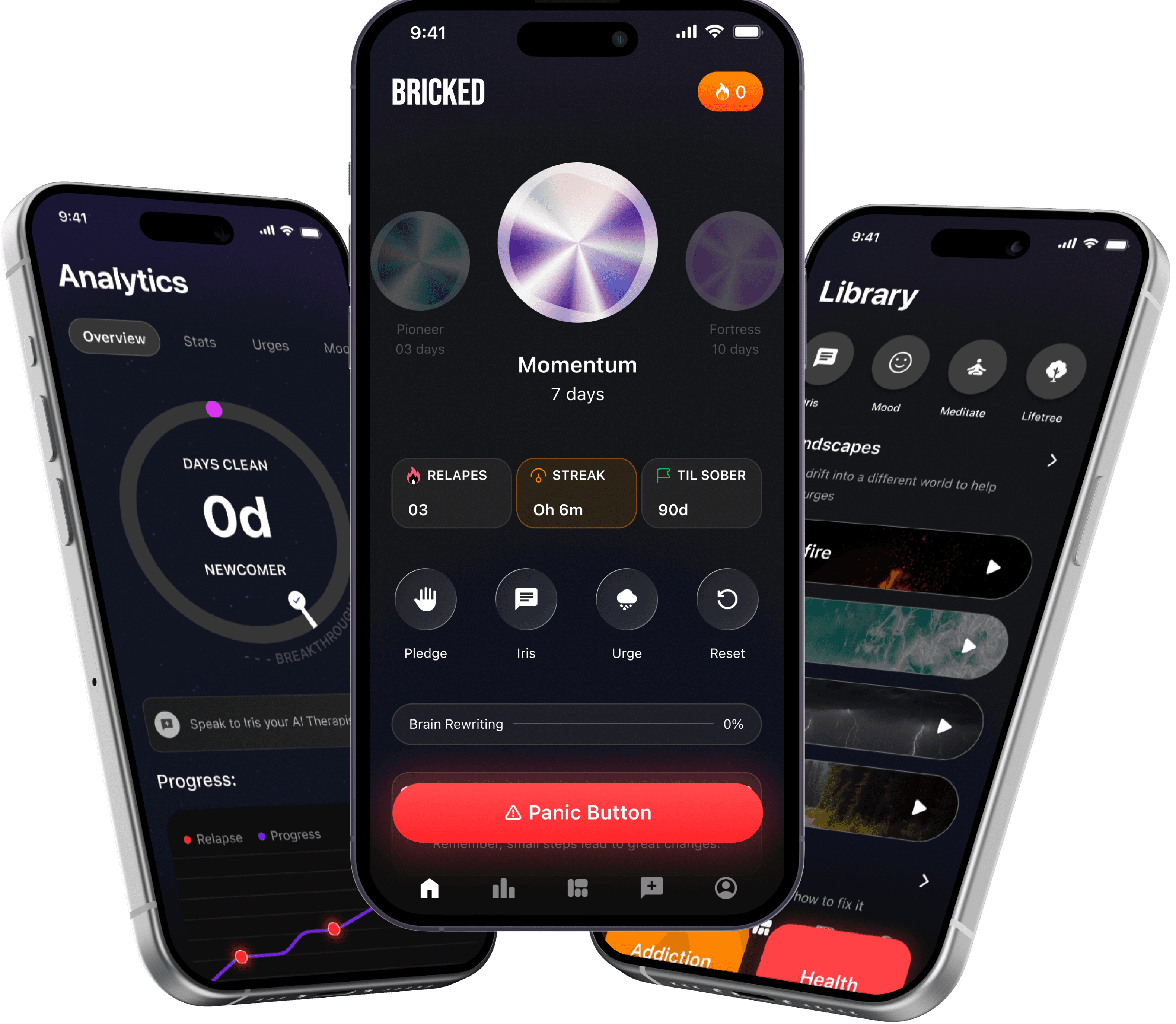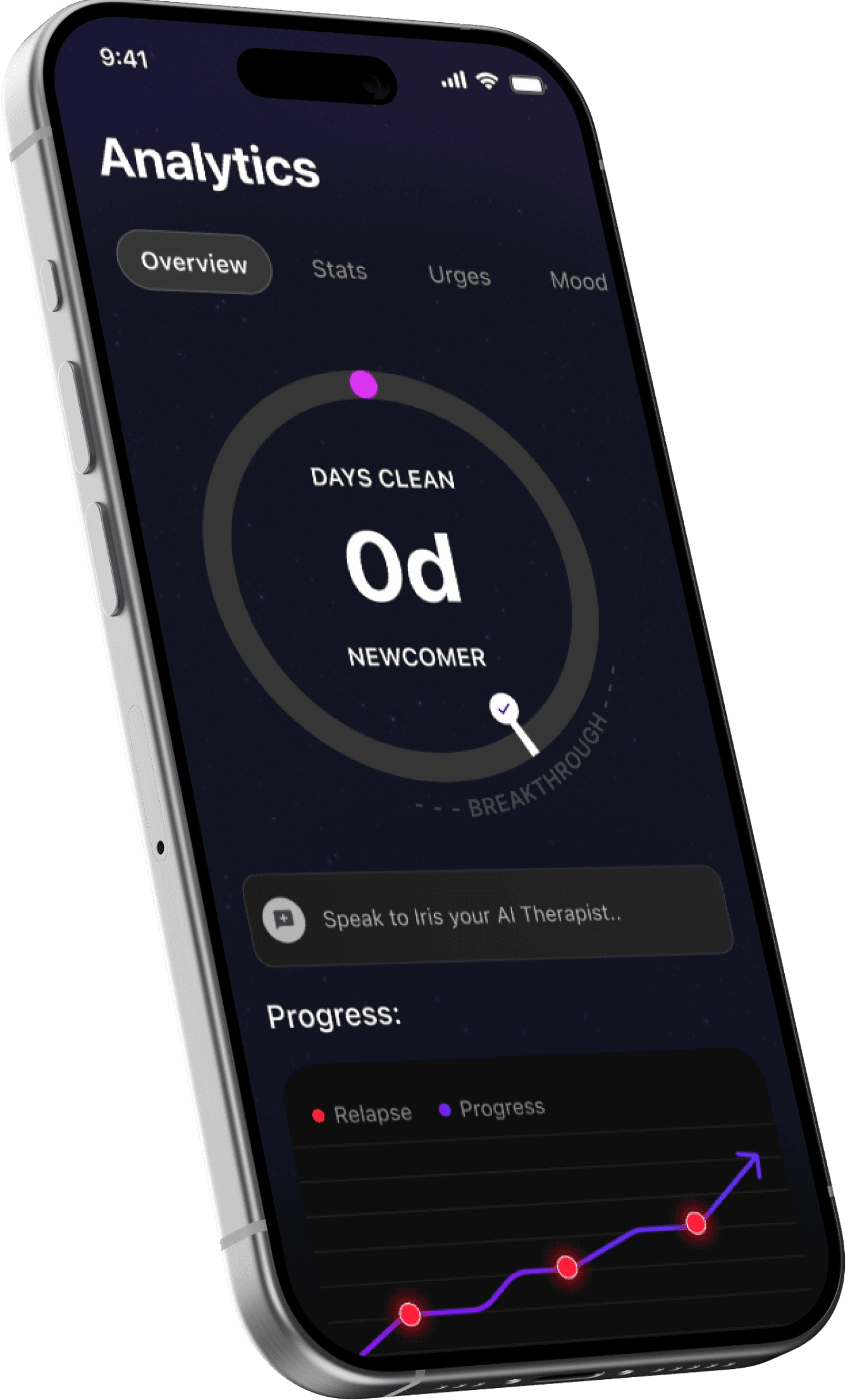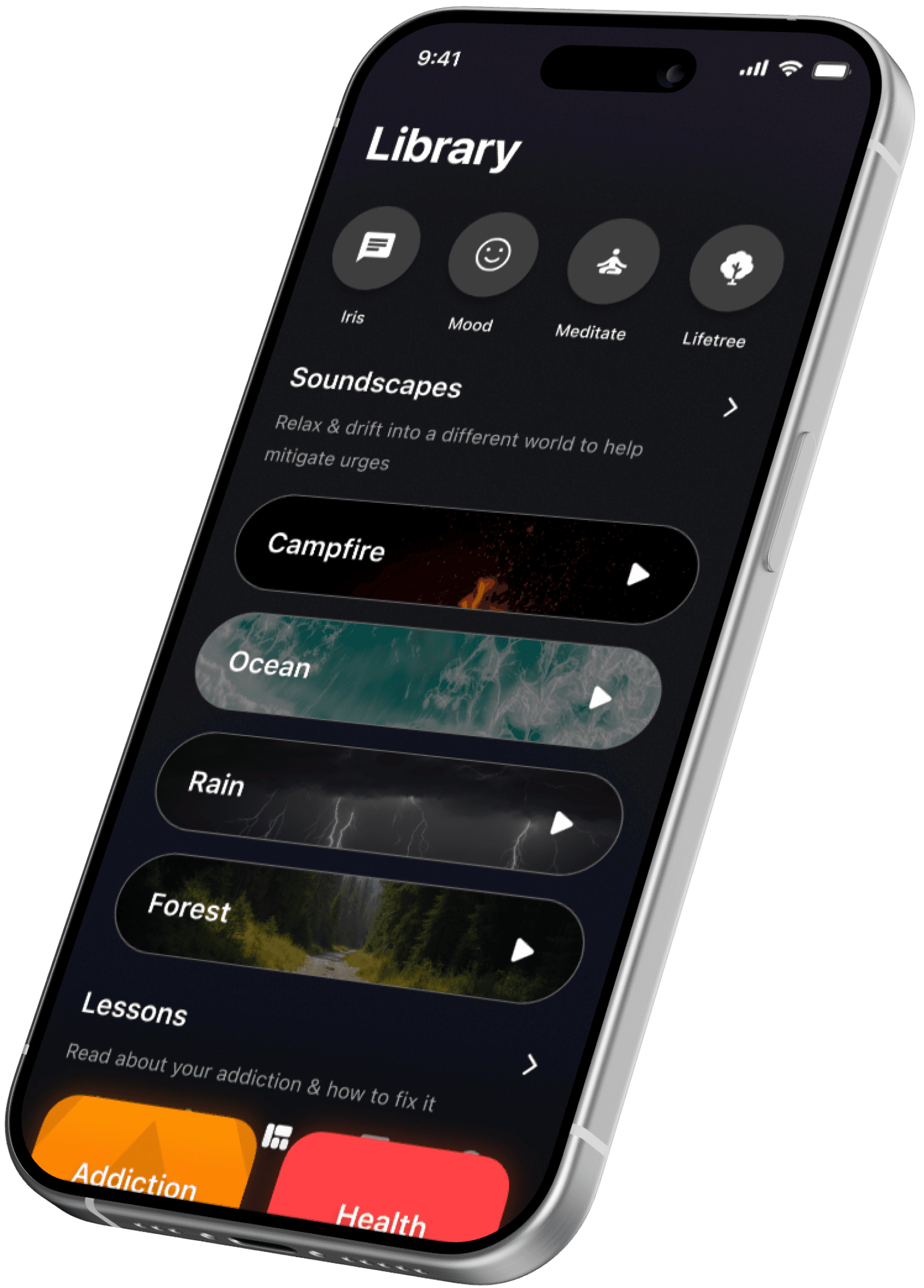
Meet BRICKED, the #1 app for quitting porn with all the tools needed to make the process easy.

Meet BRICKED, the #1 app for quitting porn with all the tools needed to make the process easy.
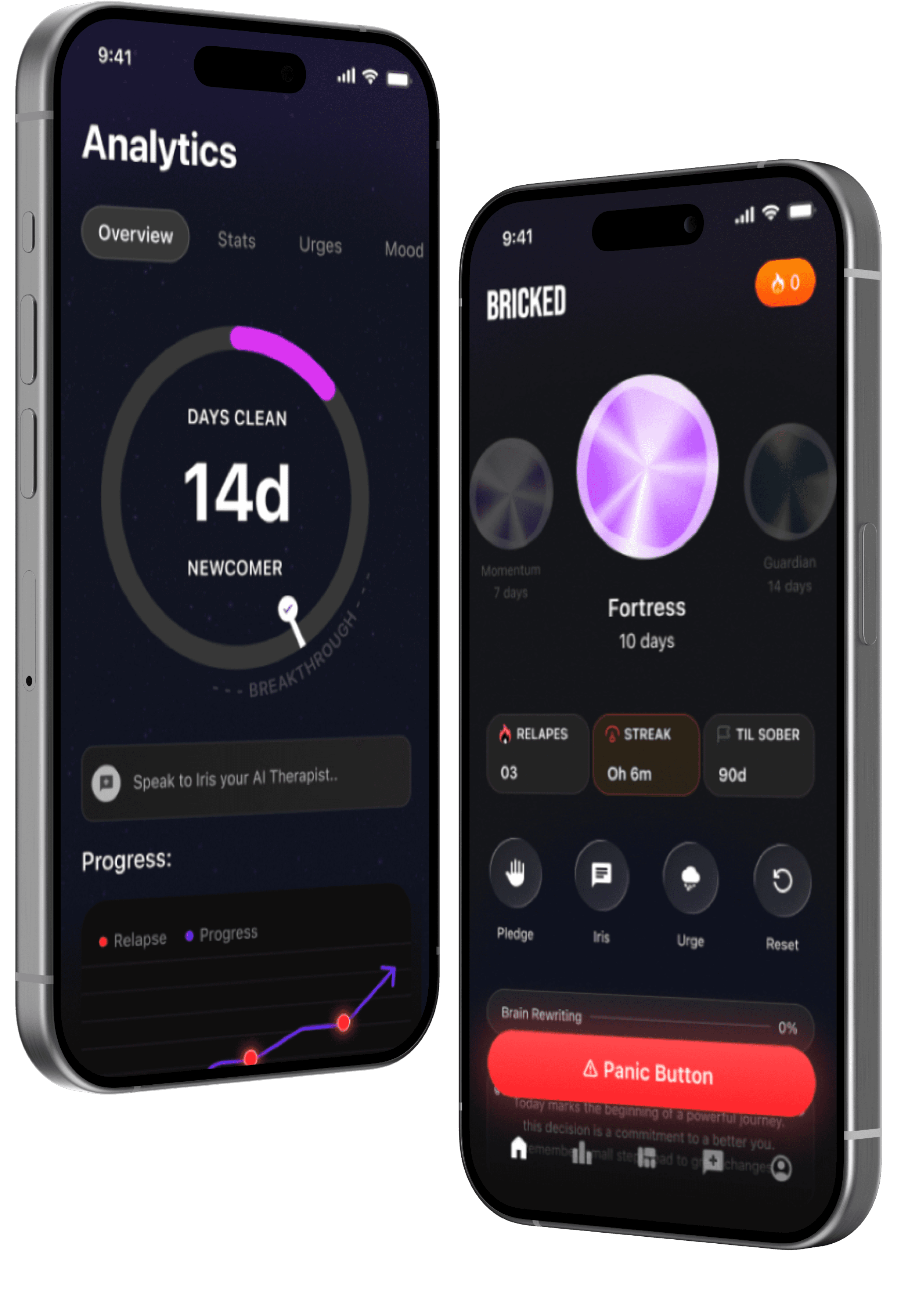
Nearly 1/3 of men deal with porn addiction, which can sap motivation, heighten anxiety, throw dopamine levels off balance, and contribute to sexual issues in younger men.
What Is BRICKED App?
Is BRICKED App Free?
How To Access BRICKED?
What Features Does BRICKED App Include?
What Does BRICKED Content Blocker Do?
What Does BRICKED AI Therapist Do?
What Does BRICKED Panic Button Do?

Mar 3, 2026
2 Min Read
How to Rewire Your Brain From Porn

Trying 30 Days NoFap sounds easy in theory, but when stress hits, boredom creeps in, or old routines resurface, it can feel much harder than expected. Breaking free from porn is not just about willpower. It requires retraining your brain, understanding your triggers, and replacing automatic habits with healthier responses.
If you want clear, practical steps to manage urges, recover from porn addiction, and build real self control, structure makes a difference.
BRICKED offers a straightforward program with daily guidance to help you reset your habits and stay consistent through 30 Days NoFap. With habit tracking, simple exercises, trigger planning, mindfulness prompts, and community support, you are not left trying to figure it out alone.
Key Takeaways
Porn viewing is associated with measurable structural brain changes. Some research links heavy use to roughly a 20 percent reduction in gray matter in certain regions, which may relate to weaker decision making and reduced emotional regulation.
Habit consolidation helps explain why urges can feel automatic. Frequent pornography use has been linked in some studies to about a 10 percent decrease in certain connectivity patterns in the brain, reflecting reduced top down control and faster, reflexive reward seeking.
Withdrawal is common and predictable. Around 80 percent of people who attempt to quit report some level of withdrawal symptoms. In many 30 day resets, cravings tend to peak in the first week, while low mood or emotional flatness can show up in the second.
Structured, multi tactic approaches tend to outperform random attempts. Some recovery programs report reductions in consumption of around 70 percent. Short term 28 to 30 day challenges often show significant initial reductions, with a portion of participants maintaining progress months later.
Recovery pacing matters. Noticeable shifts can begin after one month, with more meaningful functional improvements often appearing by three months. Many experts suggest a 90 day reset window, with a substantial percentage of people reporting improved focus, mood, and cognitive control during that period. That is why it helps to track sleep quality, deep work sessions, and urge frequency instead of focusing only on streak days.
BRICKED supports this process by combining layered content blocking, daily habit scaffolding, and guided tracking to create a structured, multi tactic reset instead of relying on willpower alone.
What Does Porn Do to Your Brain?
Porn does more than influence what you seek. It can gradually retrain which circuits your brain relies on for reward, comfort, or escape. The mechanism is grounded in basic neuroscience. Repeated, novelty driven dopamine spikes can shift flexible motivation toward more rigid habit patterns, and over time the brain adapts around that shortcut.
How does novelty reshape circuits?
When you encounter a new, highly stimulating experience, the brain flags it as important by strengthening the involved synapses through long term potentiation. With pornography, novelty often layers on novelty, so the pathways linking visual cues, fantasy, and orgasm can be reinforced more rapidly than those connected to everyday social reward. It is similar to walking the same trail repeatedly across soft ground. The more you use that path, the deeper it becomes, and the less likely you are to explore alternative routes.
Which brain regions are involved, and what does that mean?
Research suggests that heavy pornography use is associated with structural and network level changes in regions tied to emotion regulation, attention, and impulse control. Some reports describe reductions in gray matter volume in specific areas, along with altered connectivity patterns. These shifts may help explain why some individuals report weaker decision making, lower motivation, or reduced emotional responsiveness during periods of heavy use.
Why do urges start to feel automatic?
As habits form, behavioral control can shift from goal directed systems toward more automatic circuits in the basal ganglia. That means a cue such as boredom or stress can activate a learned sequence with less input from the prefrontal cortex, the area responsible for self regulation. Studies have also linked frequent use with reduced connectivity between regulatory and reward networks, which may reflect diminished top down control and slower recovery from impulsive states.
What emotional pattern keeps the cycle going?
Across self reports and recovery programs, people often describe a similar pattern. They feel pulled into extended sessions, lose interest in everyday pleasures, and require stronger stimulation over time to achieve the same effect. During a 30 day reset, many report intense cravings in the first week, followed by a period of emotional flatness or boredom in the second. Only after that do alternative rewards start to regain their appeal, especially if the environment supports new habits.
Most people attempt change using willpower and basic blocking tools because it feels manageable and private. That approach can work temporarily, but when stress returns and environmental cues stay the same, old patterns often resurface.
BRICKED addresses this by combining structured habit replacement, layered content barriers, and guided progress tracking. Instead of relying on motivation alone, it provides a consistent framework so lower dopamine, real world rewards can take root and remain stable under stress.
The key takeaway is that these brain changes are both stubborn and adaptable. With the right structure and enough time, circuits can recalibrate. Understanding that balance makes the recovery process far more practical and far less mysterious.
6 Ways to Rewire Your Brain From Porn
Rewiring works best when you approach the habit from multiple angles at the same time. You reduce access, give the brain healthier rewards, strengthen craving control, lower background overstimulation, rebuild real intimacy, identify triggers, and install a stable daily rhythm. Each piece supports the others, helping redirect attention, steady mood, and encourage the growth of new neural pathways.
Remove all porn access
Treat blocking as structural, not optional. Install strong blockers on every device, delete saved material, unfollow explicit accounts, and consider a no devices in the bedroom rule for the first 30 days. In many resets, relapses cluster around the same rooms and times of day, so changing the physical setup often lowers the intensity and frequency of early urges. Add layers of friction rather than relying on a single filter. Use timers, content blocks, and small environmental barriers to interrupt automatic behavior when willpower is low.
Replace the PMO cycle with healthier reward sources
If you remove a high dopamine shortcut without offering a healthier alternative, the craving will search for a substitute. Focus on three slow building rewards such as strength training, deliberate skill learning, and consistent social interaction. Schedule them at fixed times so they directly compete with the old routine. Start with small daily goals you can consistently achieve. Over 30 to 90 days, these steady rewards retrain persistence and reduce the pull of instant novelty.
Practice urge surfing
This is a skill, not a test of toughness. When an urge appears, pause and observe it. Notice where you feel it in your body, rate its intensity from 1 to 10, and track how long it lasts. Breathe slowly and watch it rise and fall. Many people experience withdrawal symptoms when quitting, which makes this practice essential. When you expect the wave, it becomes manageable rather than overwhelming.
Lower background overstimulation
It is difficult to reset your reward system while constantly feeding it high intensity substitutes. Reduce compulsive scrolling, binge watching, junk food binges, and marathon gaming during your reboot. A practical experiment is a 90 day low stimulus phase where social media is treated like email rather than entertainment. When overall stimulation drops, slower and more meaningful rewards begin to feel stronger.
Strengthen real world connection
Lasting change happens when real life rewards become equal to or greater than the old habit. Schedule simple, low pressure social contact such as a weekly coffee, a group class, or short conversations focused on curiosity rather than performance. Over time, consistent face to face interaction can redirect attention and desire toward genuine connection.
Journal daily to map triggers
Make recovery analytical. Each evening, write down when urges appeared, what emotion came before them, what you chose instead, and how it felt afterward. This builds a clear map of high risk patterns and highlights small wins you can revisit on difficult days. A short five minute nightly log often becomes the anchor habit that keeps everything else aligned.
Build a predictable daily routine
Structure reduces impulsive defaults. Set a consistent wake time, include movement, schedule focused work or learning blocks, and create a firm evening wind down routine. When your day has shape, boredom is less likely to drift into old habits. Use a simple habit tracker to log a few non negotiables so progress is visible and momentum compounds.
Many people rely on scattered tools because they feel private and manageable. That approach can work temporarily, but single point strategies leave gaps that stress and boredom quickly exploit.
BRICKED brings these elements into one structured system. It combines layered content blocking, streak tracking, an AI guided therapist, and a recovery journal so users replace fragmented tactics with consistent scaffolding. Research on structured programs shows that organized, multi tactic approaches significantly reduce consumption compared to unstructured attempts. A centralized framework shortens the trial and error phase and turns early effort into sustainable behavior change.
BRICKED offers a practical, science informed path to quitting porn. With tools like a content blocker, streak guard, AI therapist, and guided journal, it supports a focused 28 day reset while building habits that extend far beyond a single challenge.
That progress map feels clear and decisive, until the pacing question becomes the next thing to solve.
Join Our 28-day Challenge & Quit Porn Forever with the #1 Science-based Way To Quit Porn
Relying on simple blockers and willpower alone usually fails, because cravings always find a way through. You need a system that actually works when life gets stressful. In Tactics Plus, more than 90 percent of participants cut back on porn during the program, and 75 percent kept those gains six months later. The 28-day BRICKED challenge gives you structure and community so those weak spots don’t get the upper hand.